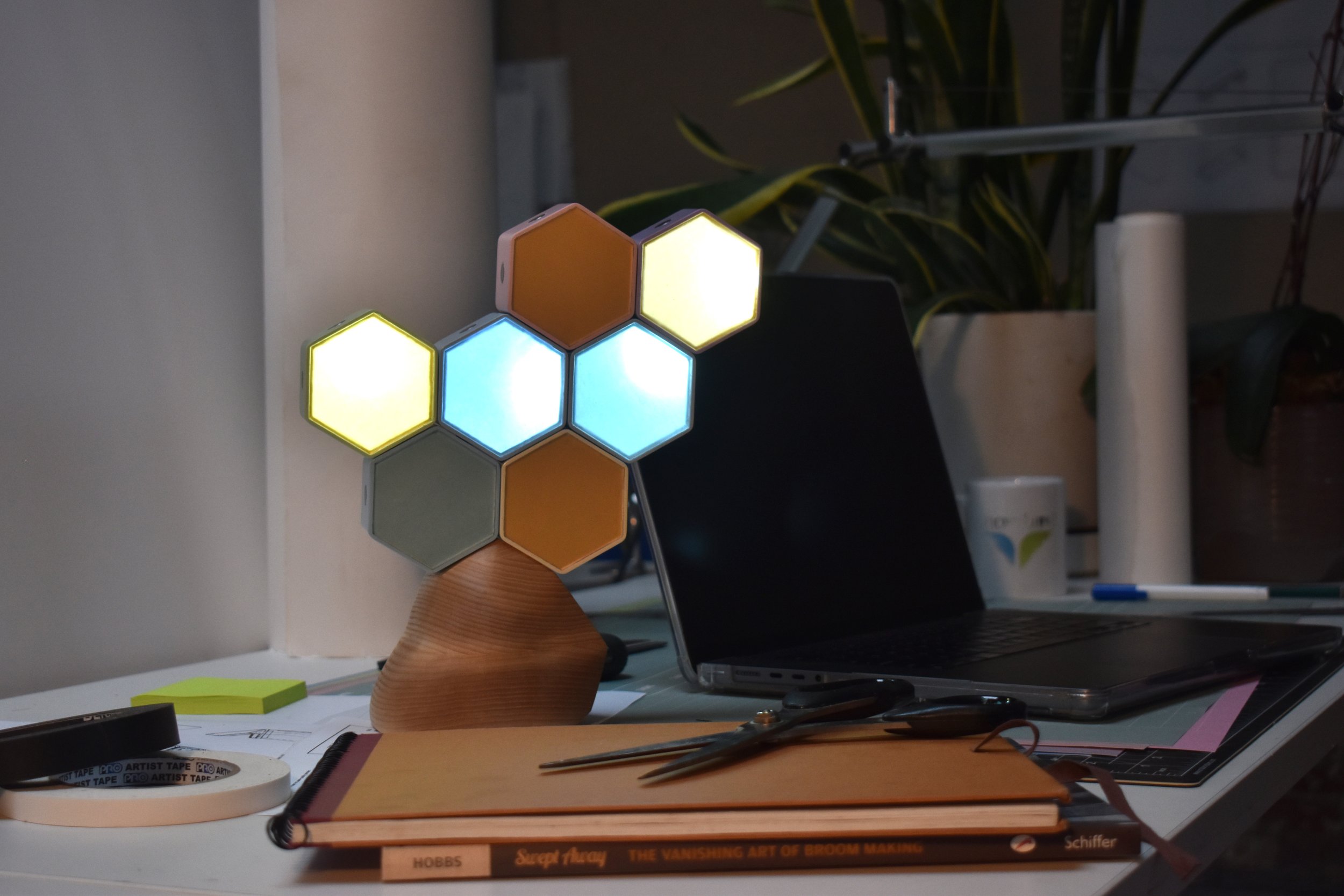
LUMITIME
Lumitime is a task management timer that visualizes focus and rest through ambient light interaction. Inspired by the Pomodoro technique, the device uses changing light patterns to gently communicate work and break intervals, creating a calmer and more intuitive time management experience. By transforming productivity into a visual and atmospheric interaction, the project explores how light can shape focus, rhythm, and everyday working environments.
PROBLEM:
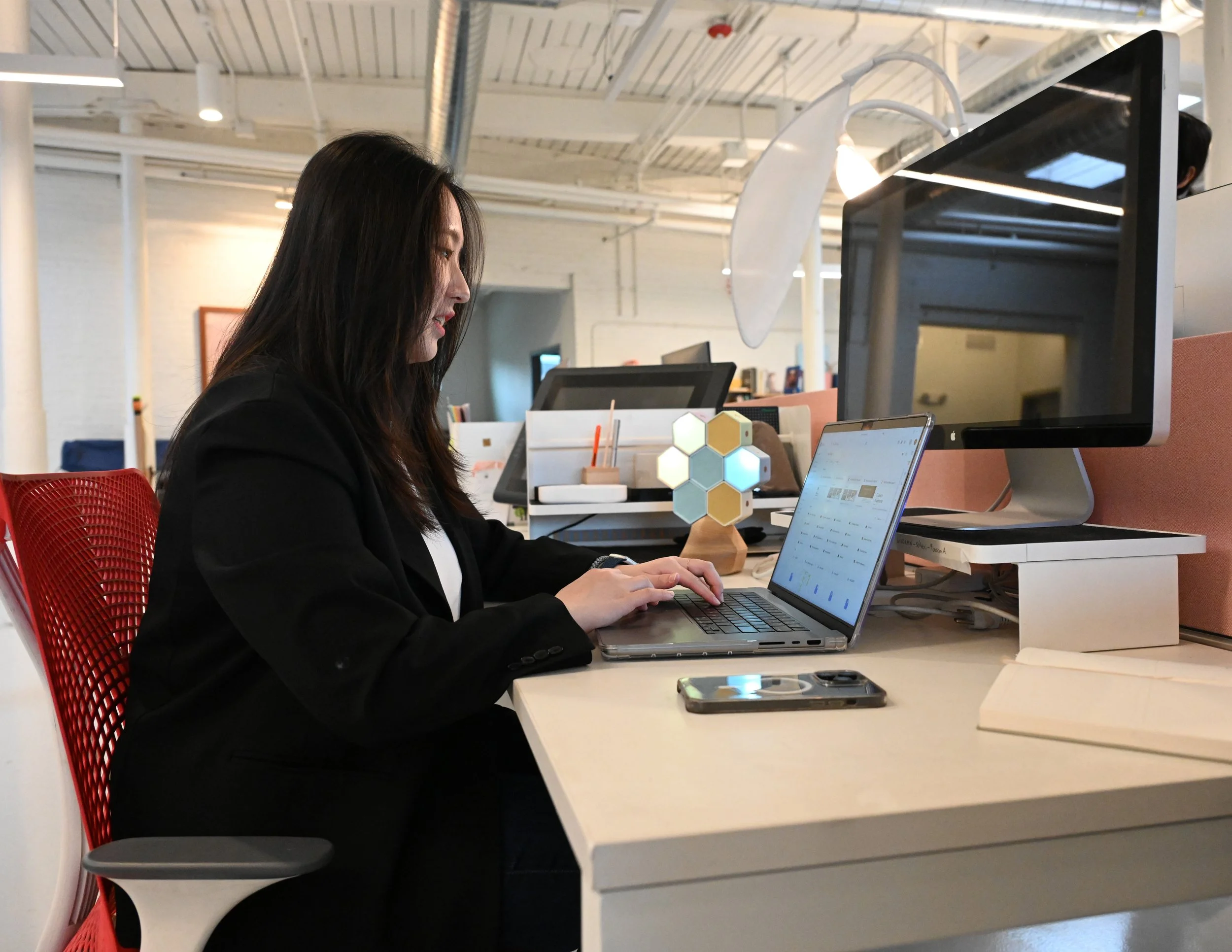
Many productivity tools interrupt users through loud alarms, constant notifications, and screen based tracking systems, making focus feel stressful and overwhelming rather than natural and manageable. In shared work environments, these interruptions can also distract others and disrupt the surrounding atmosphere.
TARGETING USERS:
Professionals working in shared office environments
Office workers who experience digital distraction from constant notifications
Individuals seeking a calmer and less disruptive productivity experience
Users who need focus management tools that do not disturb surrounding people
WHAT IS POMODORO TECHNIQUE?
Time management method where work is divided into focused intervals followed by short breaks to improve concentration and reduce burnout.
HOW IT WORKS?
Work for 25 minutes
Take a 5 minute break
Repeat 4 times
Then take a longer break (15-30 minutes)
To solve this problem, I designed a light based productivity timer inspired by the
Pomodoro Technique.
I chose this method because it balance between focused work sessions and regular breaks promotes a healthier and more manageable approach to productivity while reducing disruption in shared environments.
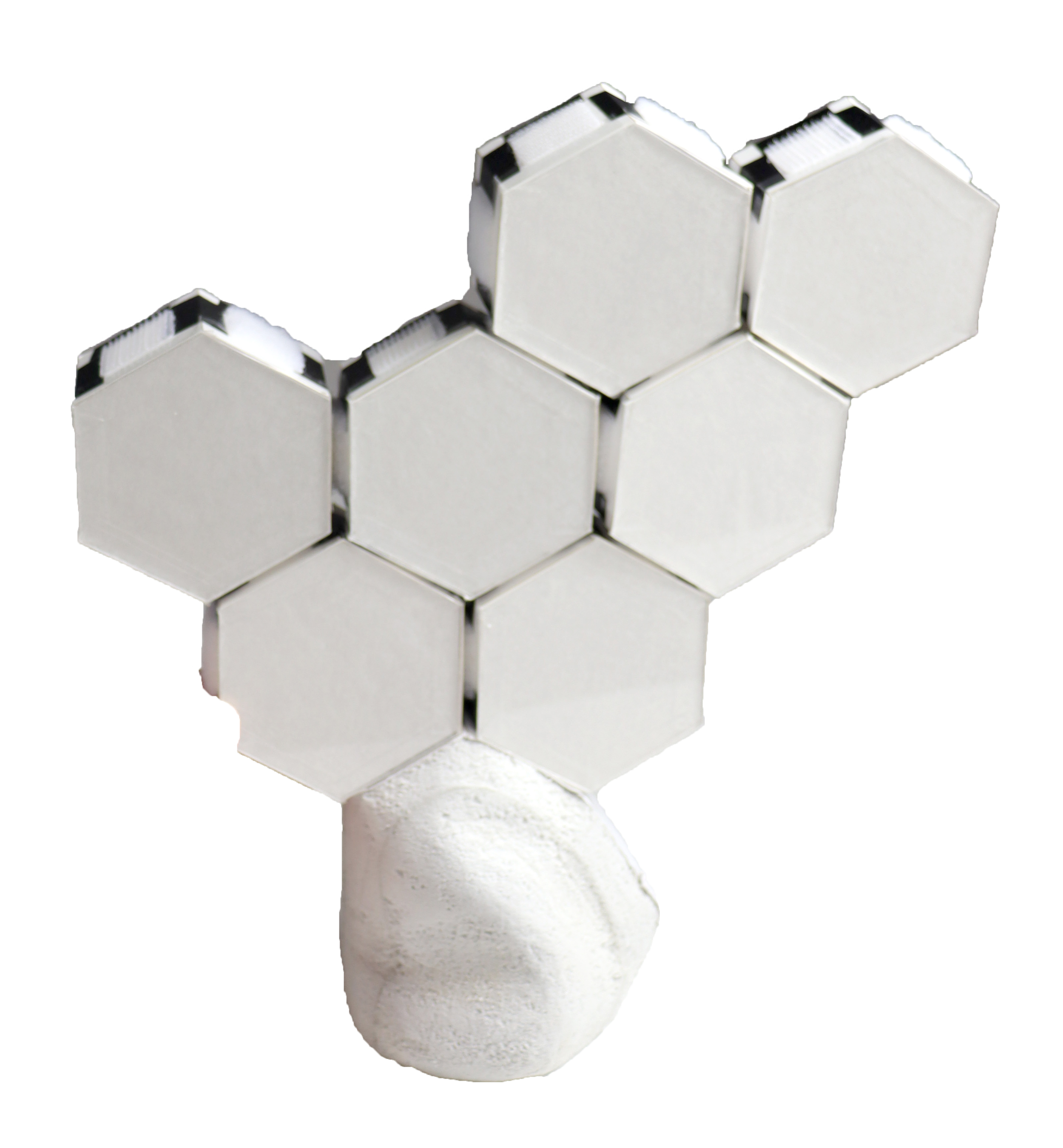
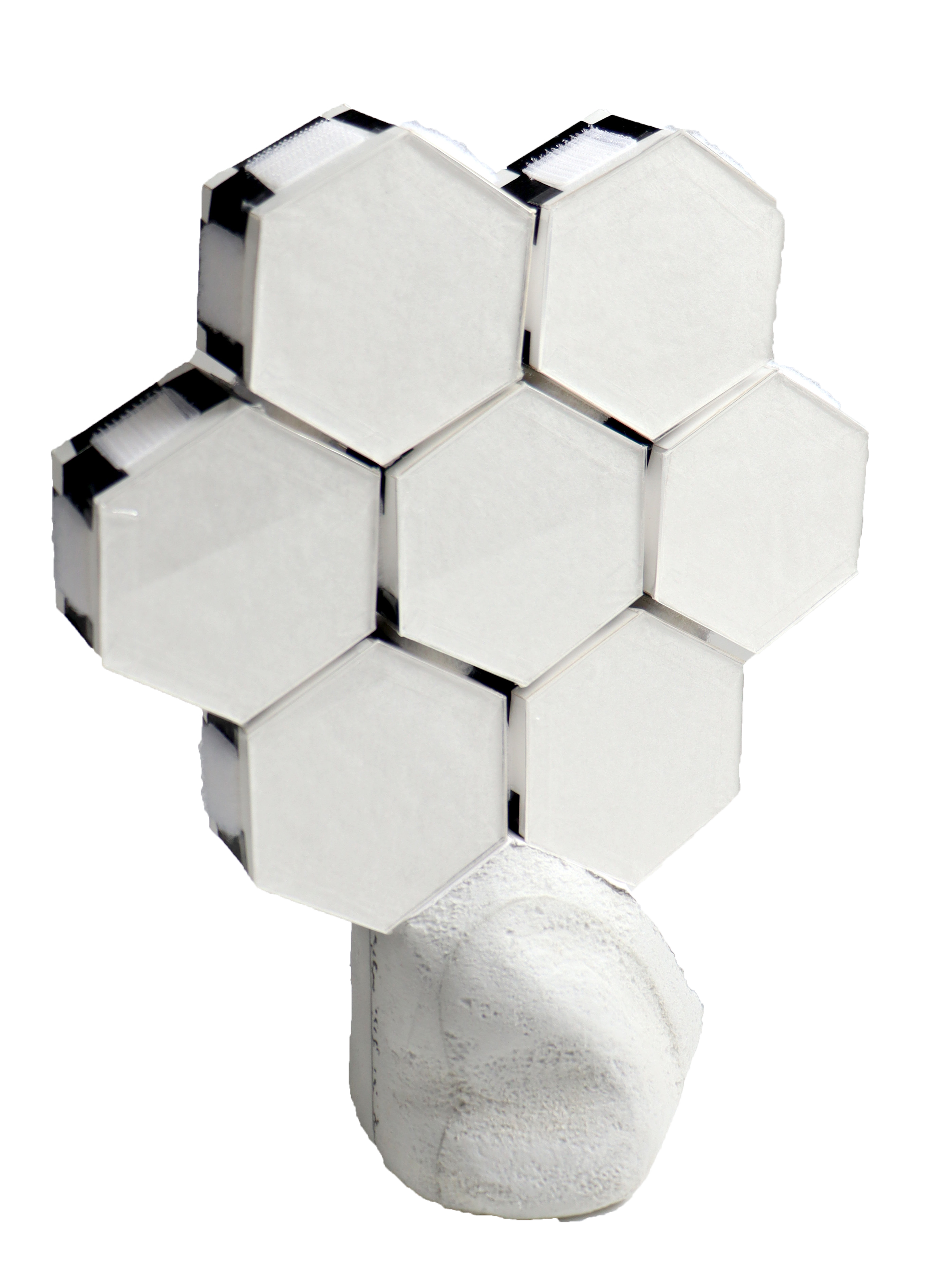
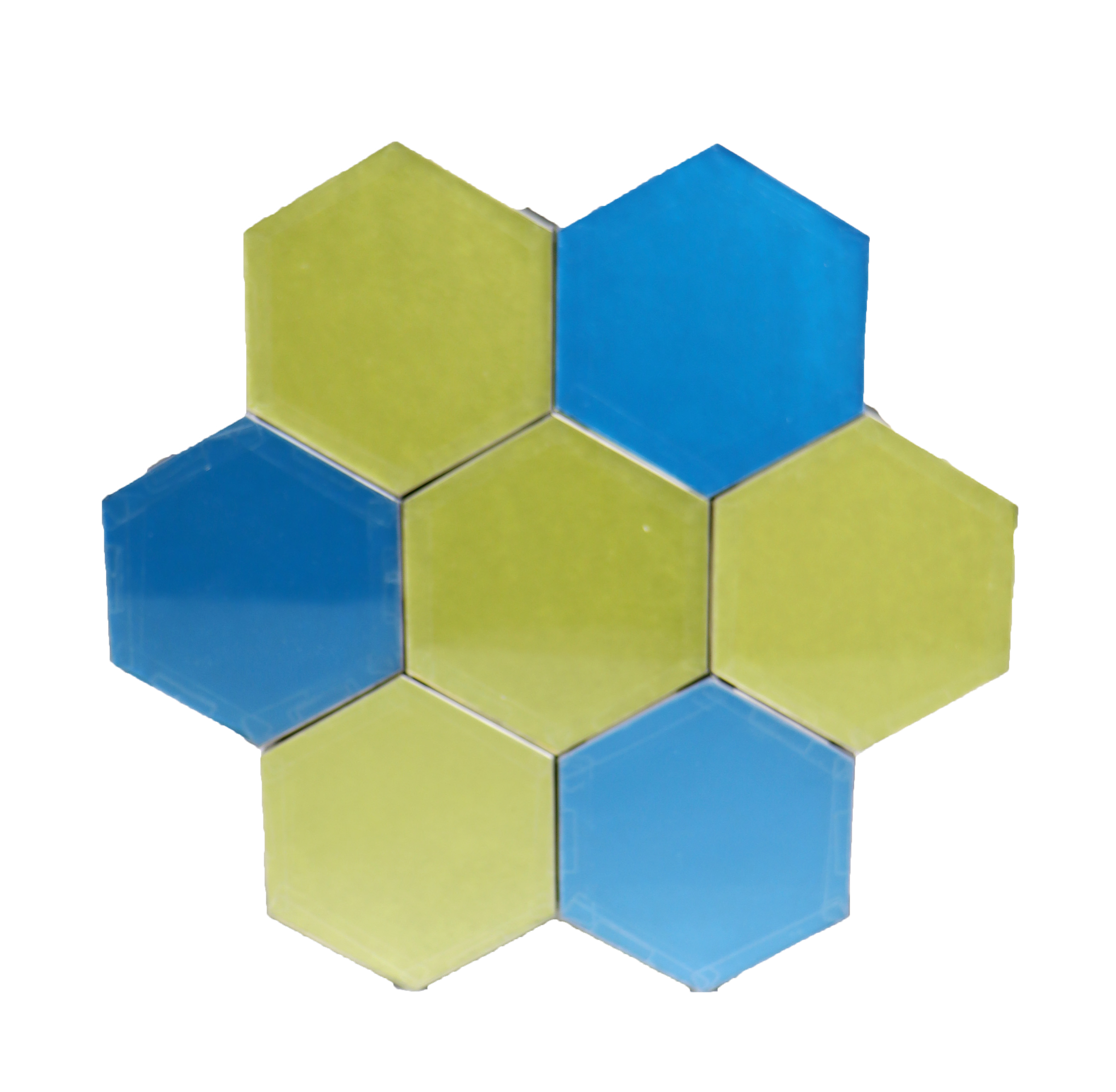
PROTOTYPES:
WHY LIGHT INSTEAD OF SOUND?
To create a calmer and less disruptive productivity experience in shared work environment
WHY MODULAR?
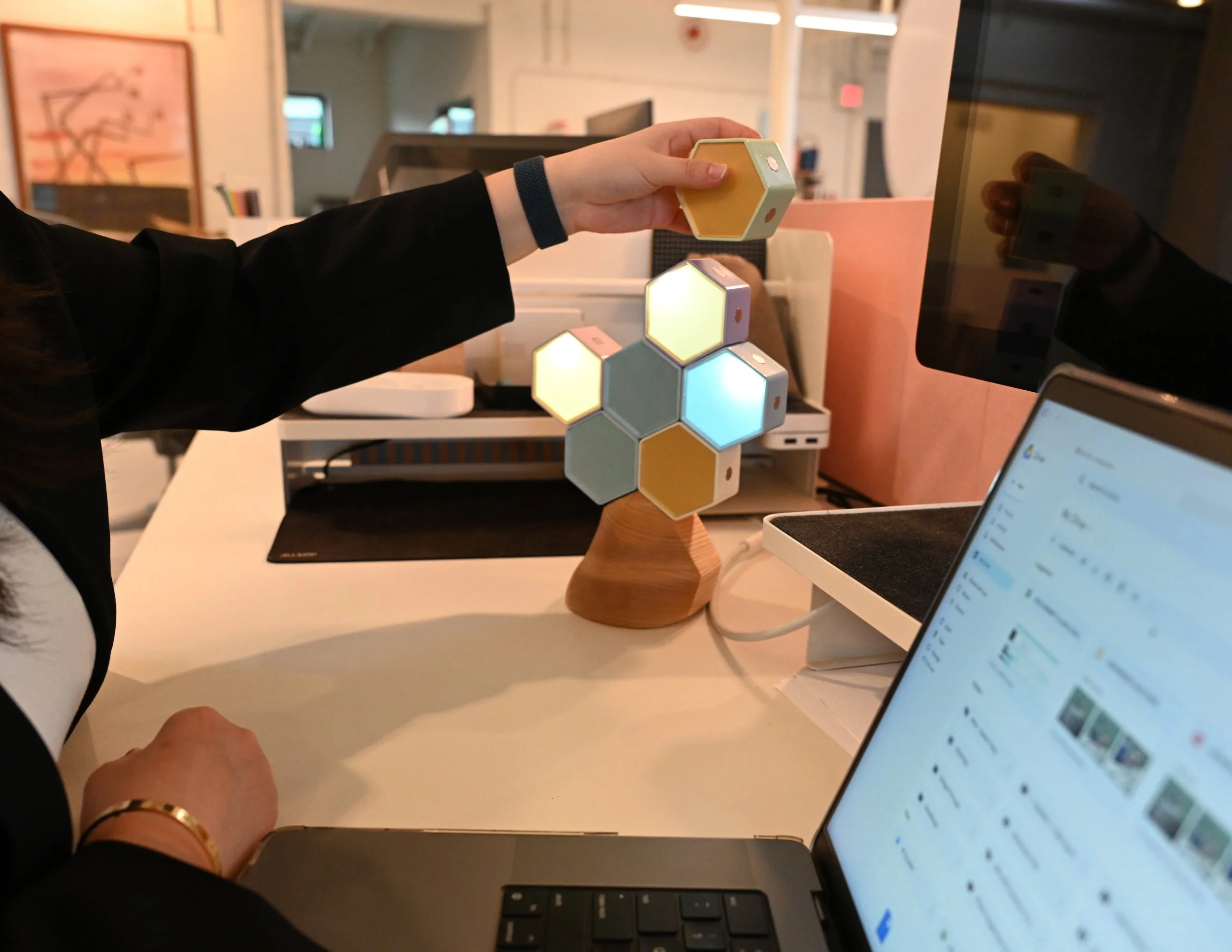
Each light component is movable, allowing users to rearrange the structure into different configurations. The modular system encourages personalization and interaction within different workspaces
WHY HEXAGONS?
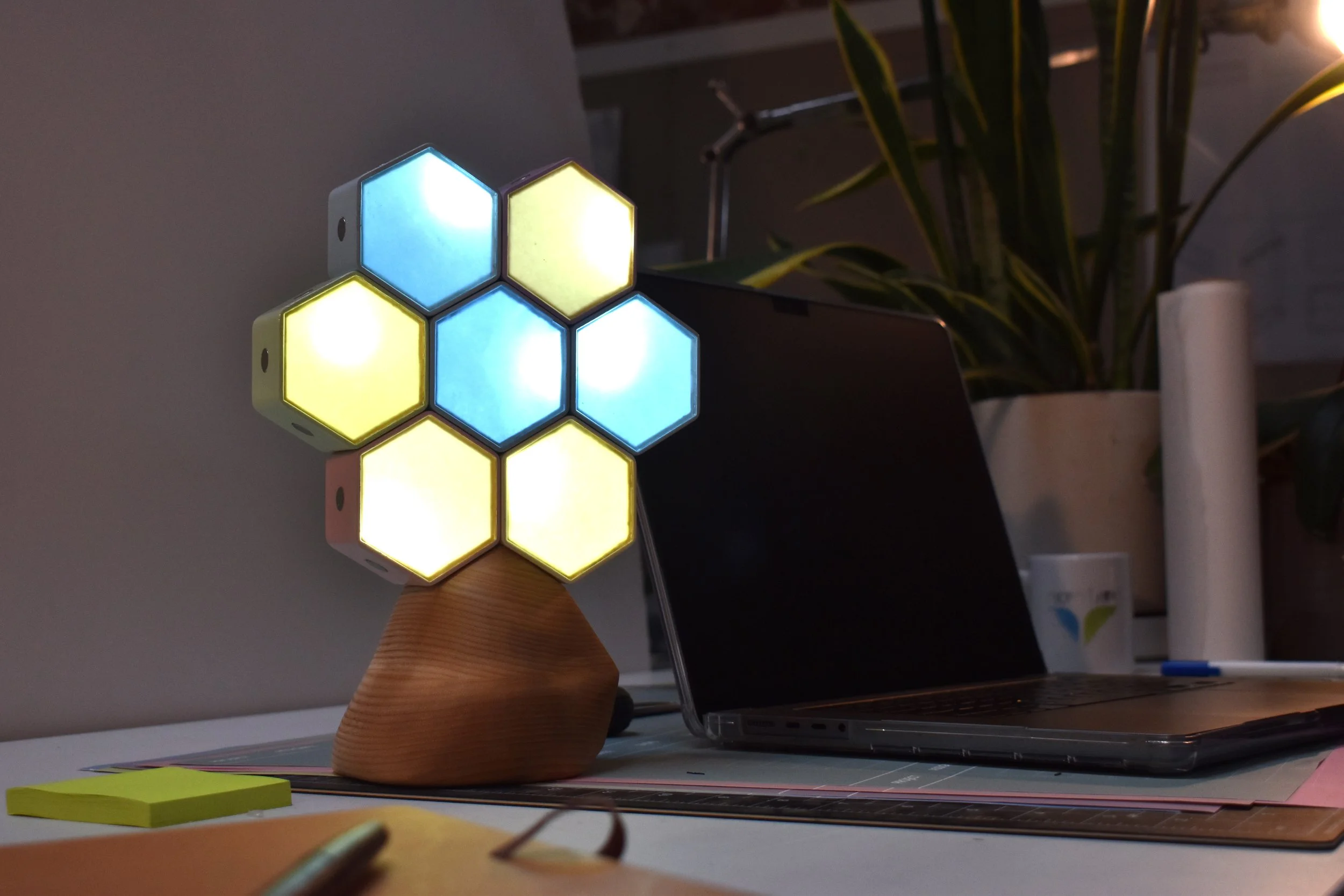
Inspired by beehives, referencing structure, rhythm, and collective productivity
Similar to how bees work together within a connected system, the modular arrangement reflects ideas of workflow and organization
WHY AN ORGANIC BASE?
Contrasts the geometric upper structure to create a warmer and less rigid presence within the workspace
Allow users to comfortably hold and move the product
COLOR CHOICES?
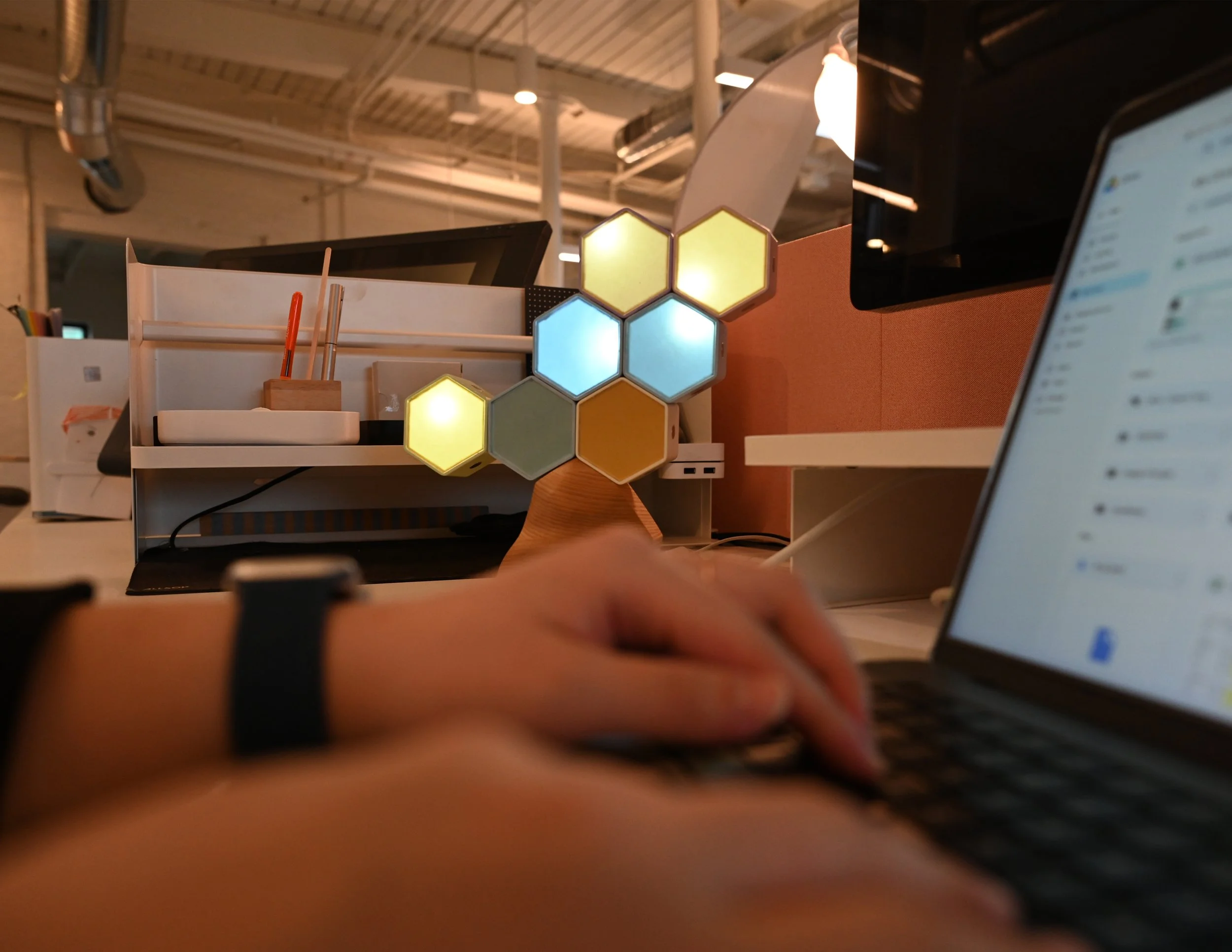
Blue: Break time
Yellow: Work time
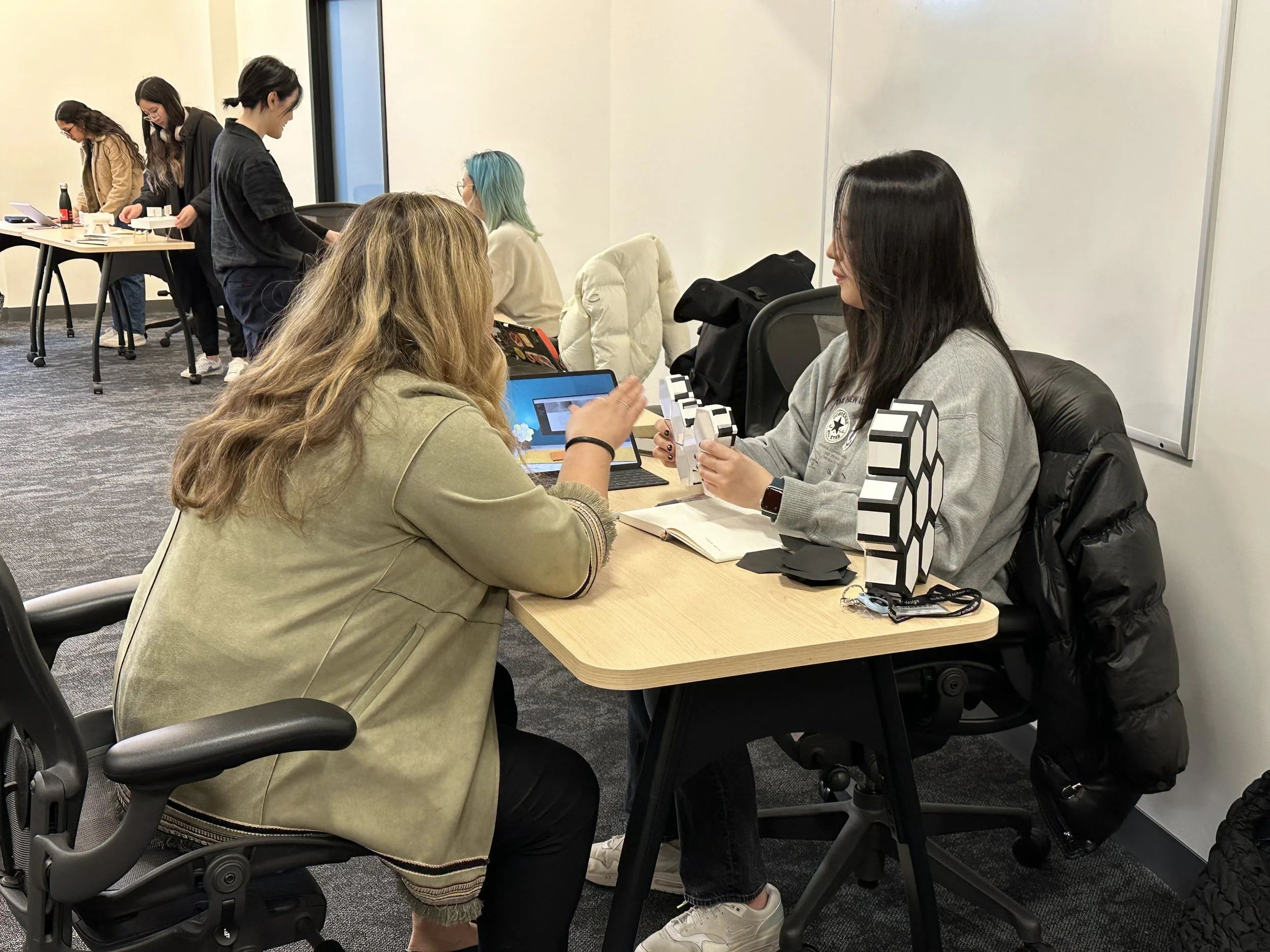
USER TESTING FEEDBACK:
Product size felt too large for desk environment
Difficult to comfortably grab with one hand
Suggested lowering the height so the light stays within the user’s peripheral vision
Preferred softer light transitions
Color changes felt slightly distracting during focused work sessions
Gradual lighting shifts were perceived as calmer and less disruptive
Modular interaction was engaging
Enjoyed rearranging modules into different compositions
Questioned long term placement
Wondered whether the product would function best as a desk object, ambient room light, or shared office indicator
Explore multiple scales or placement scenarios
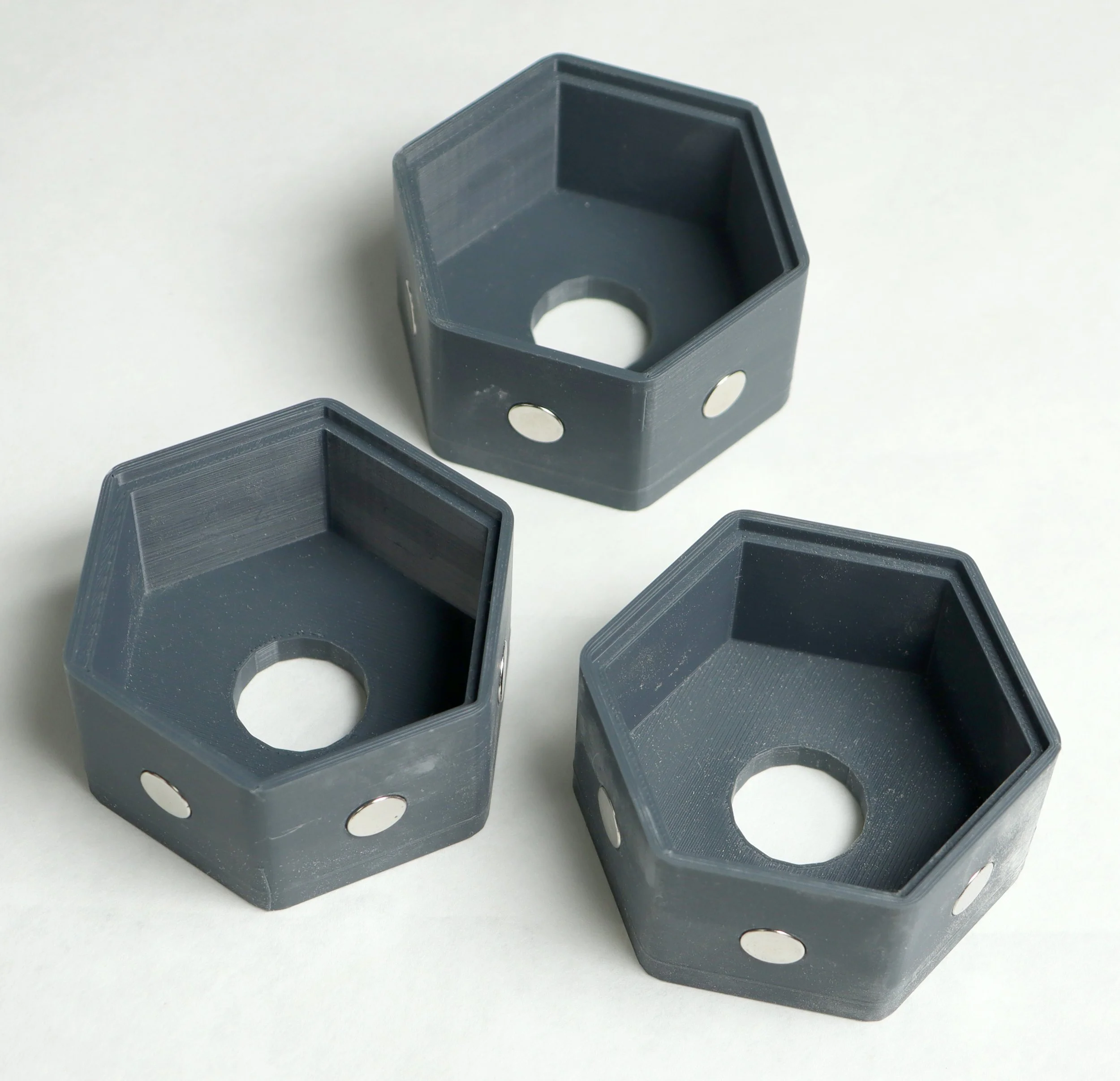
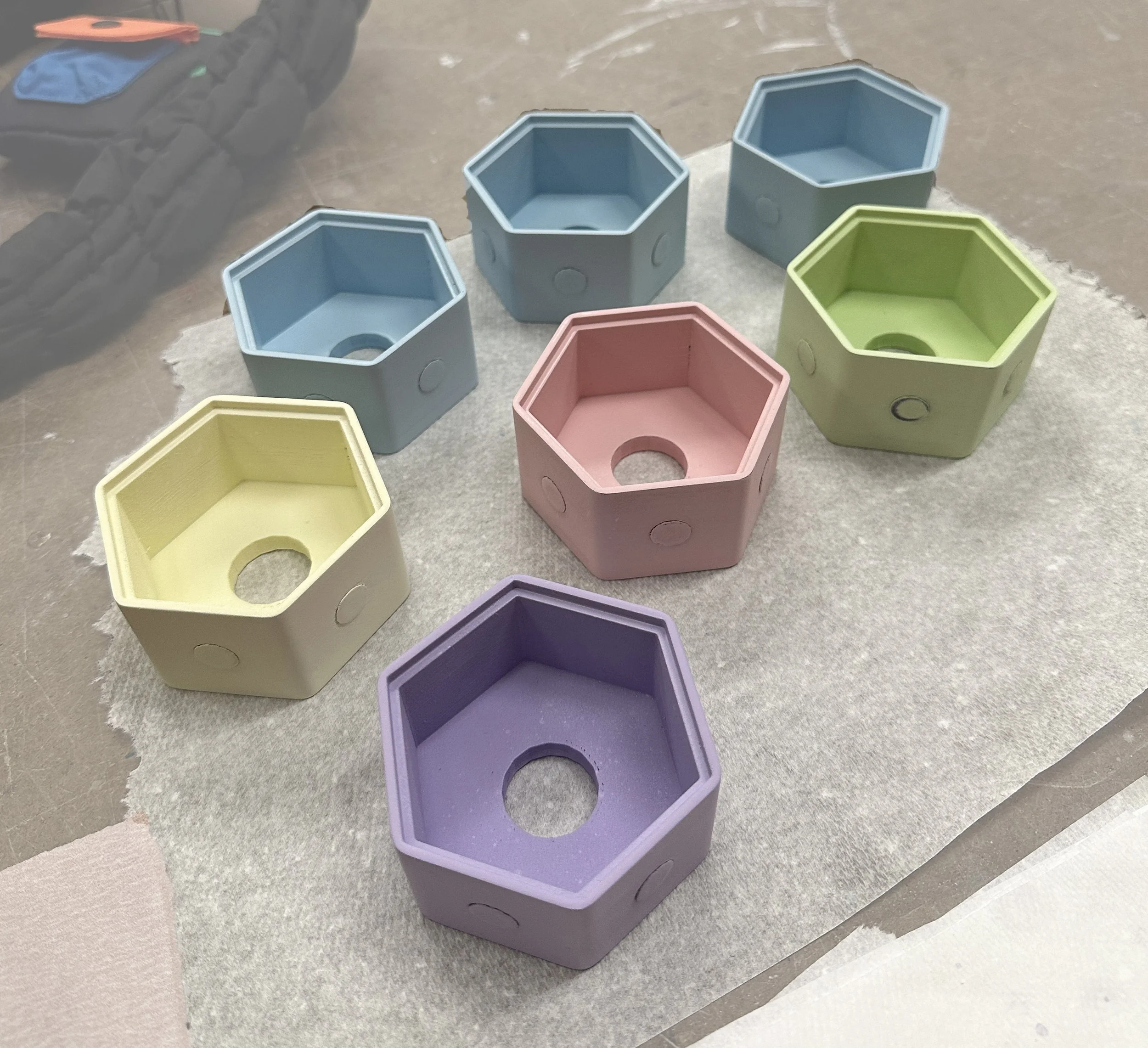
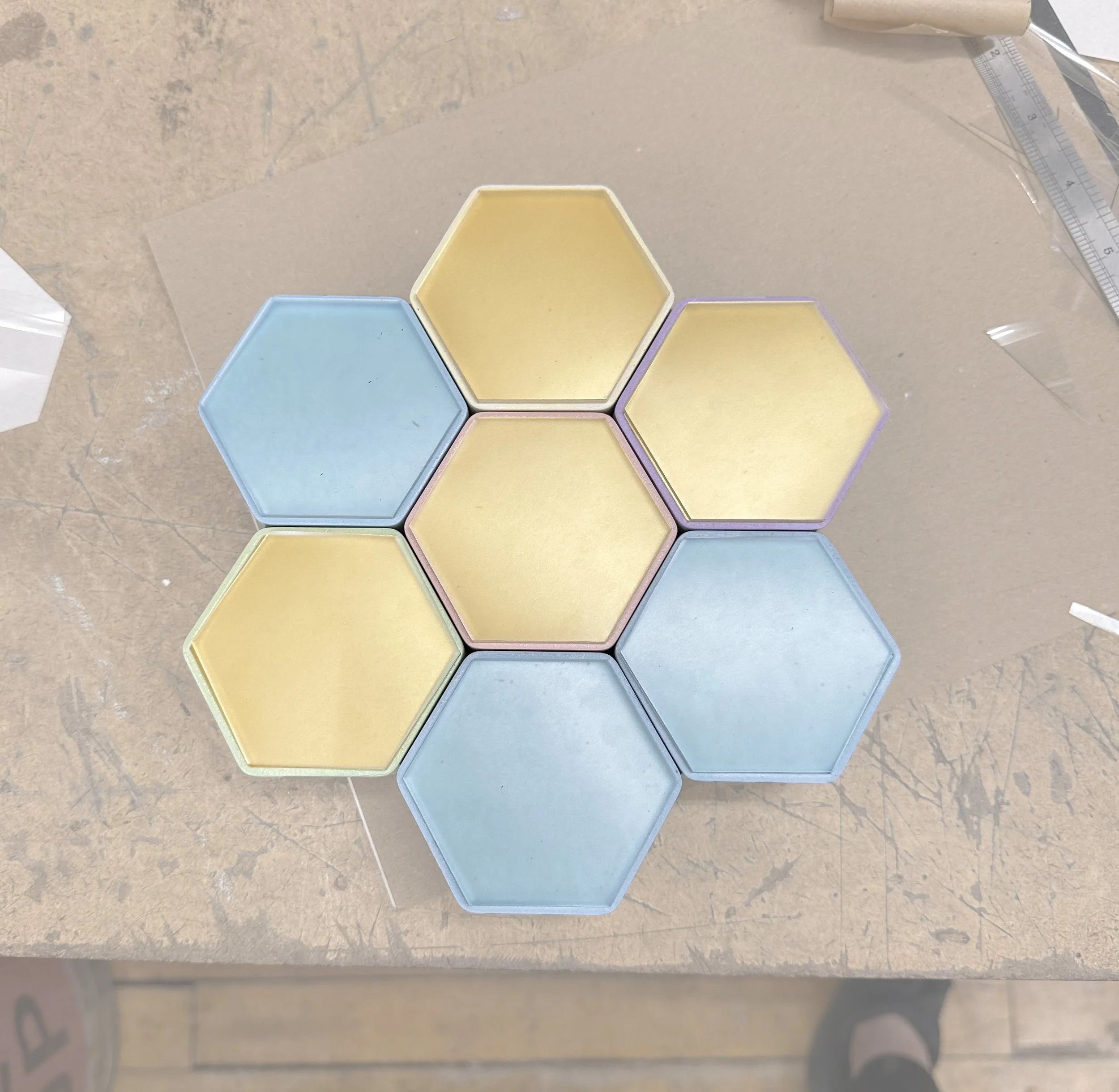
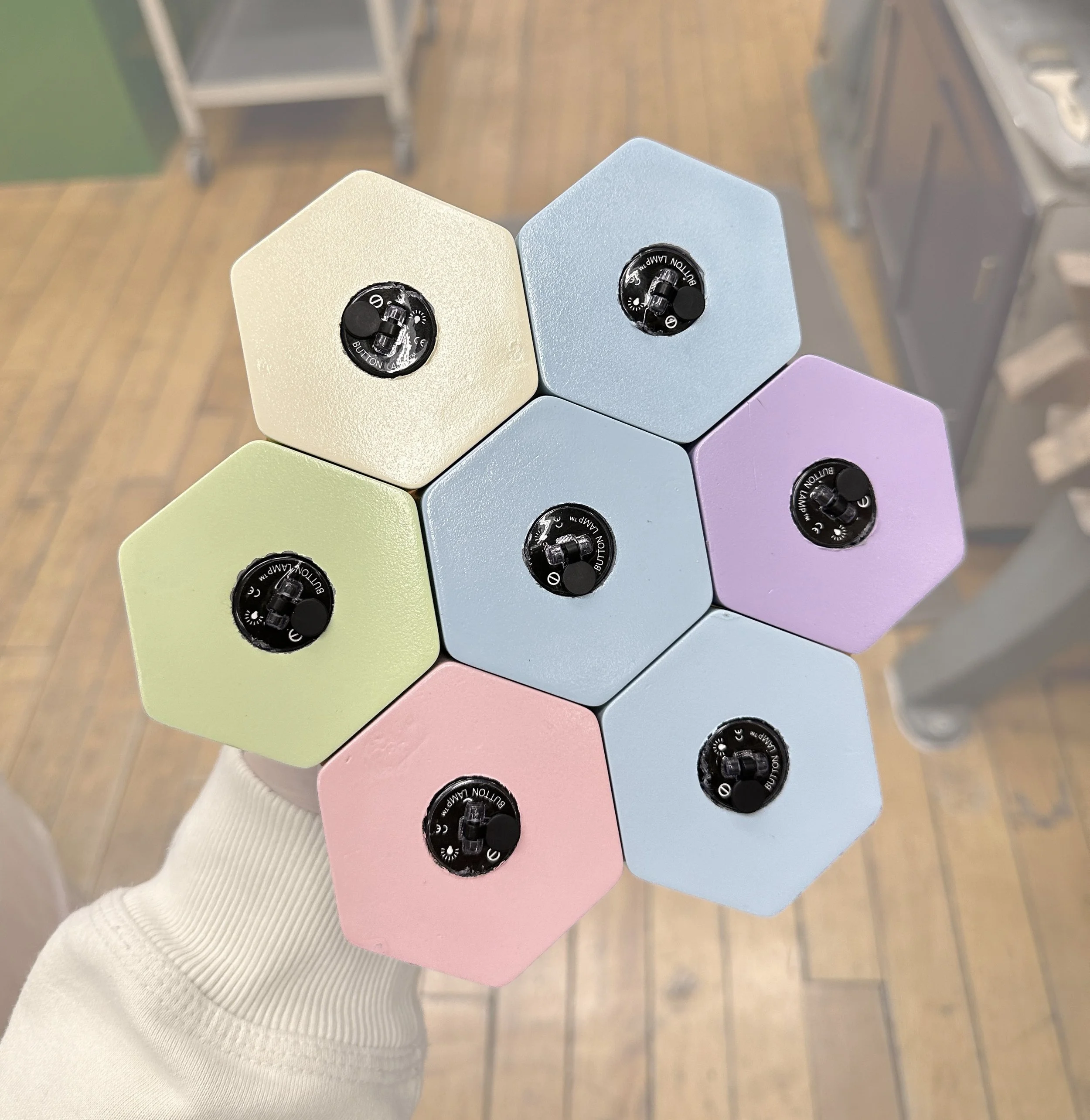
Each module were 3D printed and connected using embedded magnets, allowing users to freely rearrange the structure into different configurations. Pastel colors and soft diffused lighting were used to create a calmer and more playful atmosphere within work environments.